
Arrive Light, Explore Deep: Car‑Free Gateways That Keep You Close

Step into a journey shaped by Gateway Towns and Walkable Basecamps for Car-Free Park Adventures, where sidewalks lead to trailheads, local shuttles replace parking lots, and slow mornings begin with coffee instead of traffic. Expect real examples, practical planning tips, stories from the road, and ways to make your next national park escape kinder to your time, budget, and the places you love. Share your experiences, ask questions, and help others discover how easy freedom can feel when the keys stay in your pocket.

Springdale to Zion: A Morning Without Parking Lots

Wake before sunrise in Springdale and cross the pedestrian entrance to Zion with a warm pastry in hand, hopping the shuttle that glides beneath sandstone towers. Instead of circling for spaces, you’re already moving, guided by canyon light and birdsong. After your hike, trade dusty boots for a sidewalk stroll, refill your bottle at a café, and share notes with other travelers who also chose a gentler way in. Every step feels like permission to slow down.

Bar Harbor and Acadia: Sidewalks to Seaside Summits
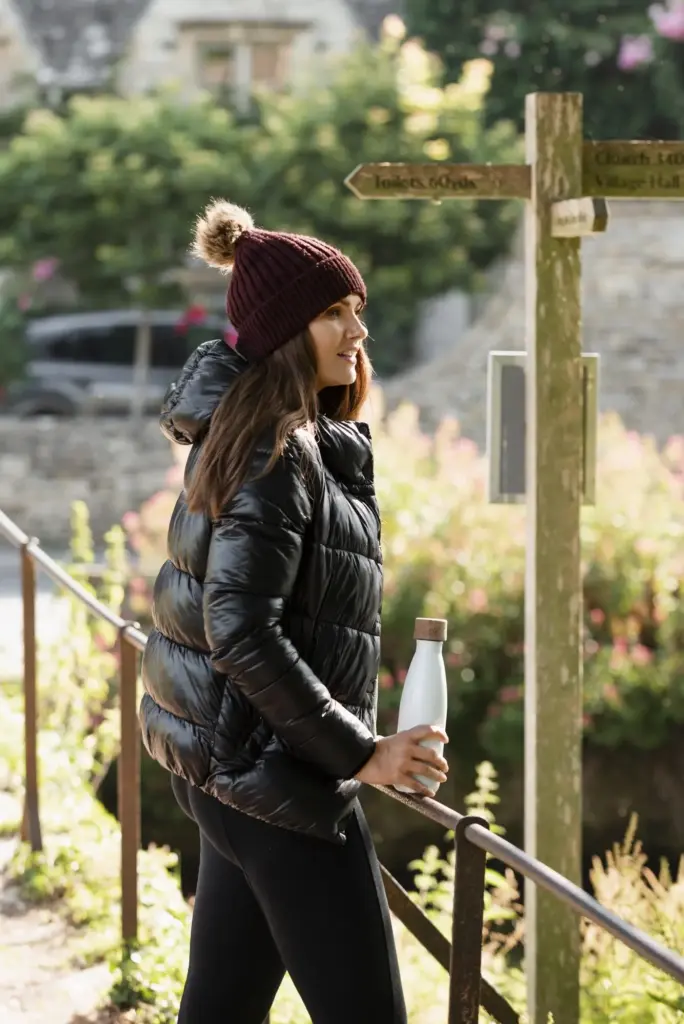
From Bar Harbor’s harborfront benches to Acadia’s granite crowns, the Island Explorer bus threads a simple path: walk, ride, wander. You can greet the day atop Cadillac, loop carriage roads by bike, then return for chowder without hunting for a single parking spot. With lighthouses, tide pools, and Jordan Pond popovers close at hand, the rhythm becomes tidal—out to adventure, back to town—balanced, repeatable, and beautifully human in scale for couples, friends, and families discovering shared momentum.

Banff Townsite: Rails, Trails, and Roam Buses

Banff bundles mountain drama with town convenience, where Roam Transit links cafés, museums, trailheads, and lakes in a seamless circuit. You can walk from your lodge to thermal steam, then bus to vistas that swallow worries whole. Local guides share avalanche lore and wildlife etiquette that change how you see the valley. Evenings bring alpine glow over bridges, while you plan tomorrow’s ride with hot chocolate in hand. Everything essential is near, and the peaks never stop calling gently.

Designing a Car‑Free Plan That Works

A smooth experience starts with aligning shuttle timetables, daylight windows, and realistic walking distances. Build buffers for weather surprises, lingering overlooks, and post-hike ice cream lines. Reserve lodging within a ten-minute stroll of transit, and keep essentials in a daypack, not a trunk. Think like a local commuter: know your stops, carry a layer, and keep snacks ready. Share your draft plan in our comments, gather route wisdom, then finalize with confidence and curiosity for spontaneous detours.

Sleep Within Steps: Walkable Stays That Center Your Days
Your base influences everything: mood, timing, budget, and stamina. Lodging within easy reach of transit and markets turns logistics into ritual—stretch, sip, stroll, ride, return. Prioritize places with early coffee, gear hooks, refill stations, and quiet corners for planning maps. Request upper floors for views or ground levels for sleepy legs. Consider multi-night stays to reduce packing churn. Ask about bike storage, laundry tokens, and noise patterns. Comfortable anchors make every day begin smoother and end with contented, grateful breaths.
Seek family-run inns that offer early breakfast windows, loaner trekking poles, and jokes at checkout that travel with you. Many sit near shuttle spines, shaving minutes that compound into bonus overlooks. Hosts often track blossom peaks, smoke forecasts, and bear closures better than apps. Share your itinerary; they might suggest a quieter loop with equal payoff. At night, porch chairs invite reflection, while a kettle clicks toward tea. The smallest comforts often unlock surprising, enduring confidence on tomorrow’s route.
Some campgrounds sit a short bus ride from visitor centers, blending starlit skies with easy access to supplies. Choose walk-in sites near restrooms and water, and use bear boxes as ultralight staging areas. Quiet hours reward early birds who chase dawn shuttles. Borrow a wagon from the host or foldable cart to shuttle firewood legally. If weather shifts, nearby cafés become cozy living rooms. A tent pitched near transit proves that wild nights and practical mornings can happily coexist.
Hostels often align perfectly with car-free travelers: shared kitchens, gear libraries, bulletin boards buzzing with route beta, and dorms priced for longer stays. You’ll meet sunrise chasers and slow walkers alike, trading tips over simmering pasta. Many hostels sit beside bus stops, flattening logistics, while staff coordinate group hikes or bike maintenance nights. Community spaces foster belonging that lingers after departure. Leave a note with your best shortcut, and pick up someone else’s. Collective wisdom becomes a compass everyone can trust.

Move Smarter: Shuttles, Trains, and Two Wheels

{{SECTION_SUBTITLE}}
Amtrak Gateways and Scenic Rail Links

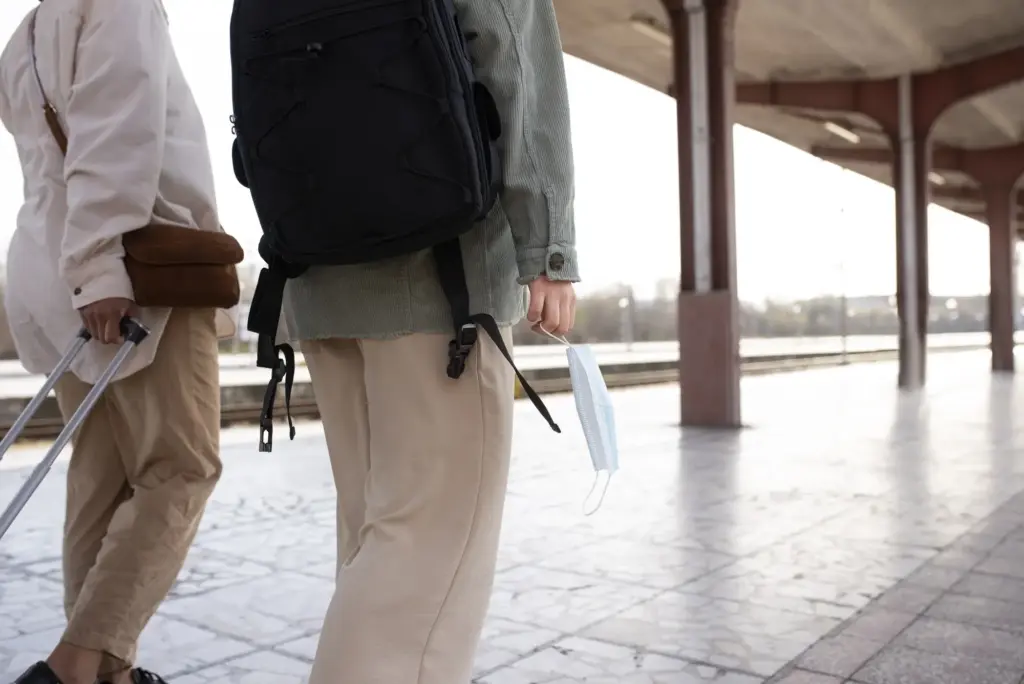
Rail adds romance and reliability. The Empire Builder drops you at West Glacier and East Glacier for shuttles toward lake mirrors and alpine spine. To Yosemite, pair Amtrak to Merced with YARTS coaches and skip weekend gridlock entirely. The Grand Canyon Railway from Williams rolls straight to South Rim views, a childlike whistle framing vistas. Trains compress miles into conversations, reading, and windows that teach geography gently. Reserve early, pack snacks, and treat station platforms like doorways to days already underway.

Bikes and E‑Bikes as Reach Multipliers

Two wheels extend your circle while keeping curiosity intact. On safe shoulders and paved paths, an e‑bike turns distant bakeries and quiet overlooks into practical detours. Confirm local rules, speed limits, and trail restrictions, then bring a bright light and bell for dawn starts. Lock thoughtfully, photograph serial numbers, and store batteries inside at night. Pair bikes with shuttles to skip steep returns, preserving knees for switchbacks. The sweet spot is effort that sparks joy, not exhaustion that steals tomorrow.

Eat, Gear Up, and Give Back Locally

Thriving gateways feed both bellies and ecosystems. Breakfasts near bus stops accelerate departures; co‑ops supply trail snacks without extra packaging; repair shops rescue rides that would have ended early. Choosing local vendors lightens footprints while supporting stewards who advocate for safer crossings, smarter shuttles, and restored habitats. Tip well, thank generously, and ask how to help. Donations, volunteer days, and respectful etiquette ripple outward, strengthening the very communities keeping your adventure convenient, humane, and delightfully grounded in place.

Breakfast to Trail: Fuel Without the Drive

A five-minute stroll to oatmeal, eggs, or pastries beats idling at crowded entrances. Order a to-go sandwich when you pay, stash it beside fruit and nuts, and refill bottles at public fountains. Early cafés often host rangers off shift; their casual pointers can redirect your day beautifully. When you return, celebrate with local flavors, not chain detours miles away. Food found on foot tastes better, costs less in time, and knits you tighter into the neighborhood’s easy cadence.

Rentals and Repairs That Save a Vacation

When a brake squeals or a zipper fails, walkable repair counters turn panic into progress. Rental shops stock bear spray, microspikes, child carriers, and rain layers you wish you packed, letting you trial gear before buying. Technicians share fit advice that prevents blister drama later. Ask about quiet-hour returns and multi-day discounts that respect shuttle schedules. Shake hands, learn names, and bring cookies back if they saved your summit. Local expertise converts setbacks into stories you will proudly retell.

Volunteering Days and Stewardship Funds

Give back where your boots tread. Many gateways host trail days, invasive-pull mornings, or river cleanups coordinated around shuttle timetables. If dates conflict, consider rounding up purchases to community funds supporting crossings, native plantings, and transit expansions. Share your experience publicly to normalize service as part of travel. Kids love sticker rewards for pitching in, and adults rediscover purpose beyond selfies. When you care for a place, it quietly cares back, in shade, smiles, and the welcome of return visits.

Sample Days You Can Actually Follow

Blueprints remove guesswork and invite you to improvise with confidence. These real-world outlines connect lodging, buses, and trails into days that flow—early starts, scenic highs, restorative pauses, and celebratory returns. Use them as scaffolding, then swap segments to match weather, energy, and company. If you try one, come back and tell us what worked, what didn’t, and which tiny discovery surprised you most. Your notes will guide someone else’s first car‑free leap toward a calmer, brighter adventure.
Begin in Springdale with pre-dawn oatmeal, then stroll to the park entrance and ride the first shuttle to Watchman glow. Continue to the Grotto for the West Rim or Emerald Pools, adjusting for heat. Lunch riverside, feet in water, and return midafternoon for a nap. Sunset brings Pa’rus Path bicycle coasting and red rock shadow play. After dinner, a final sidewalk walk reveals constellations above cottonwoods. No key turns, no lots circled, just canyon breath syncing with your own.
Catch an early Island Explorer to Sand Beach, climb Great Head for surf panoramas, then transfer to carriage roads for a mellow bike spin shaded by spruce. Picnic near a bridge, tracing stonework with jam-sticky fingers. Afternoon, ride to Jordan Pond for popovers and reflections, honoring distances that match your crew’s energy. Cap with Bar Harbor gelato, listening to gulls. The only honk comes from a friendly wave, not a rush-hour horn. Every connection feels intentional, generous, and comfortably paced.